Blackfoot Confederacy and Samson Cree Nation Co Host IELCC Treaty First Nations Exchange
Nearly 200 participants from multiple Treaty territories gather in Mohkinstsis to advance Indigenous Early Learning and Child Care dialogue
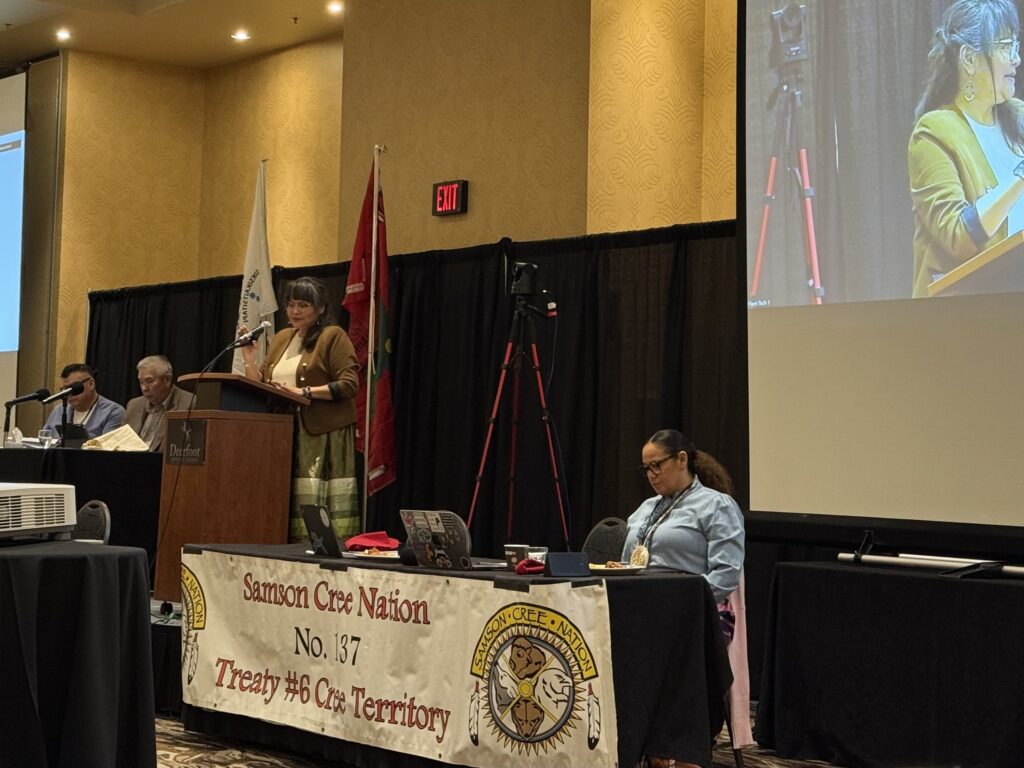
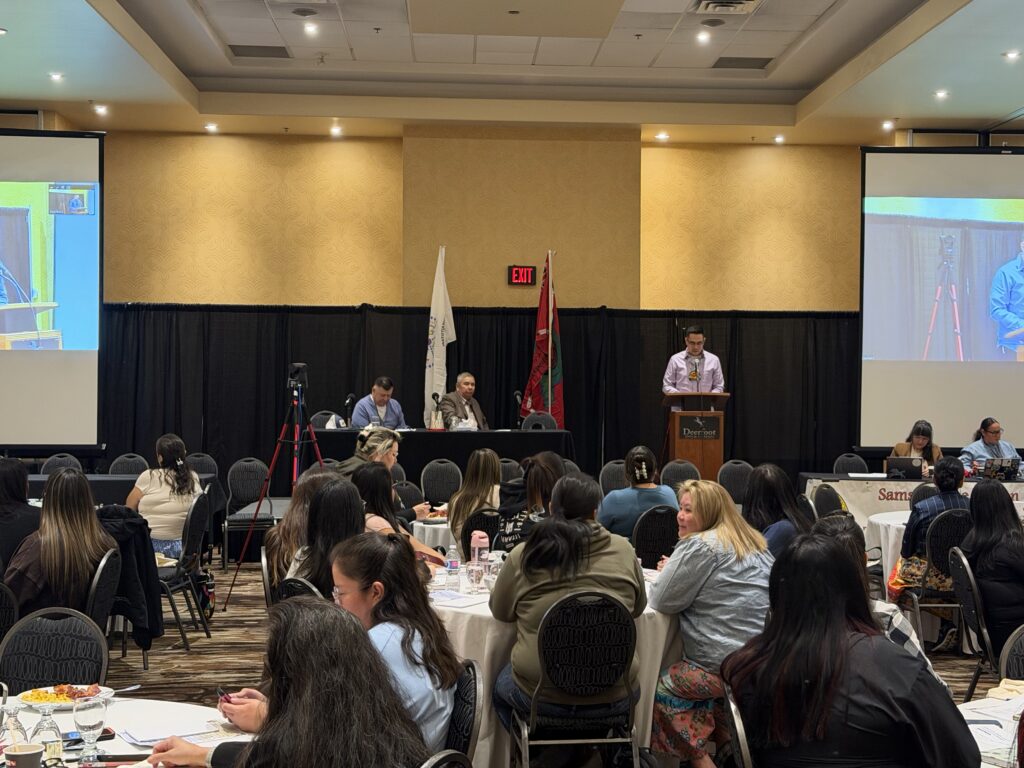
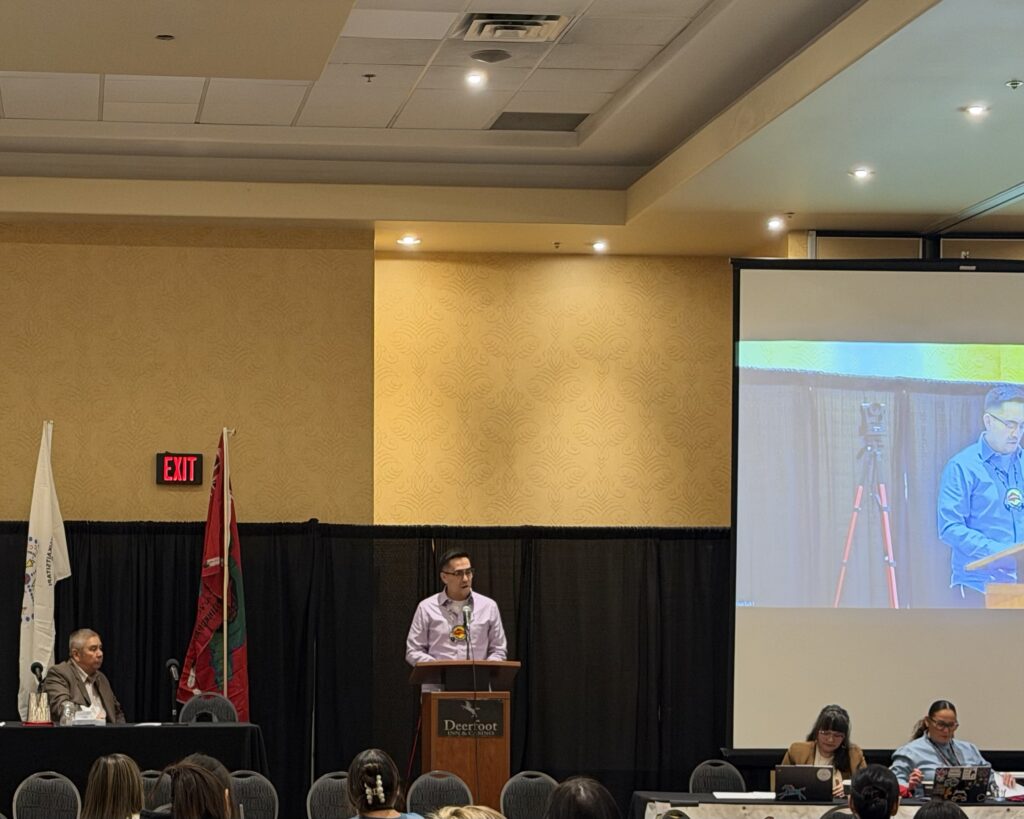
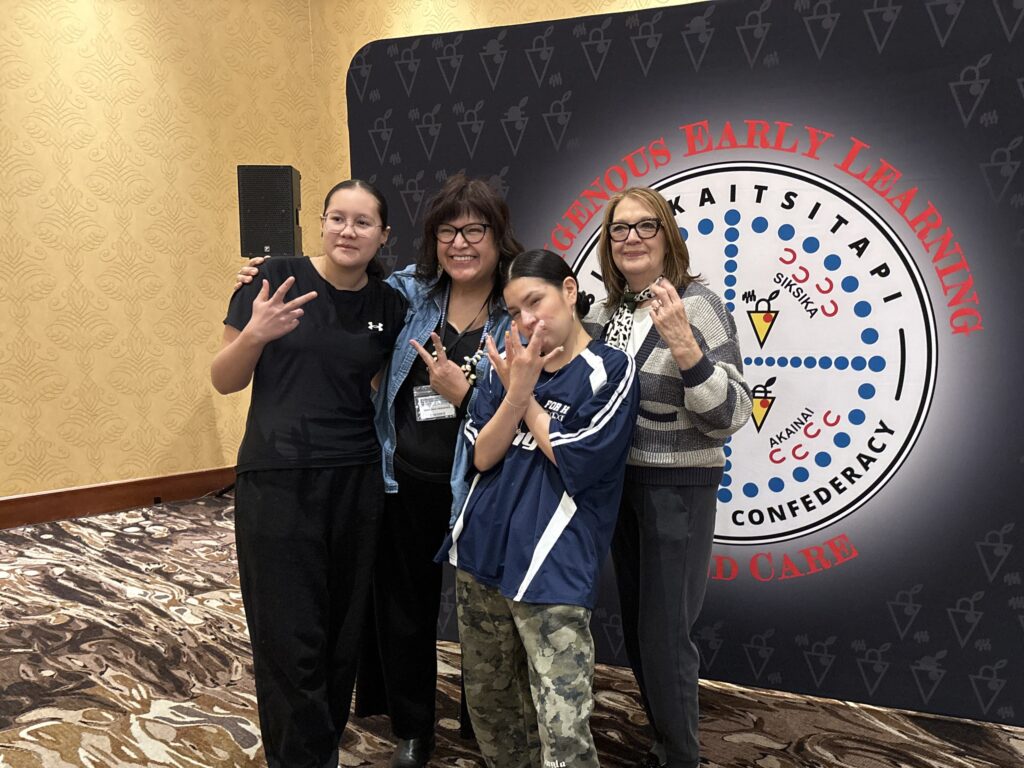
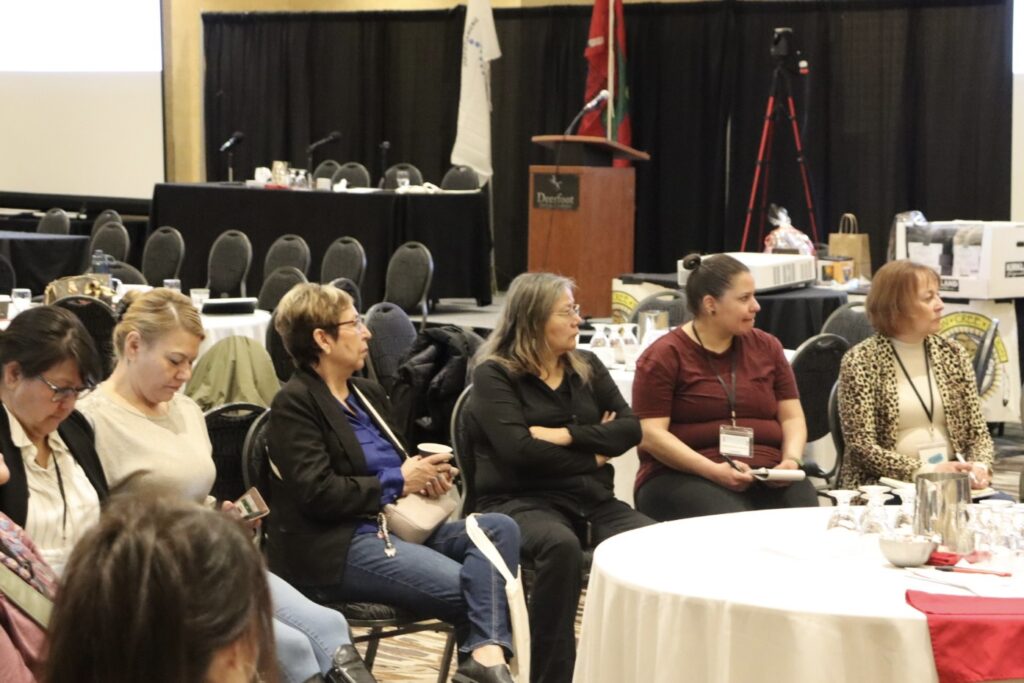
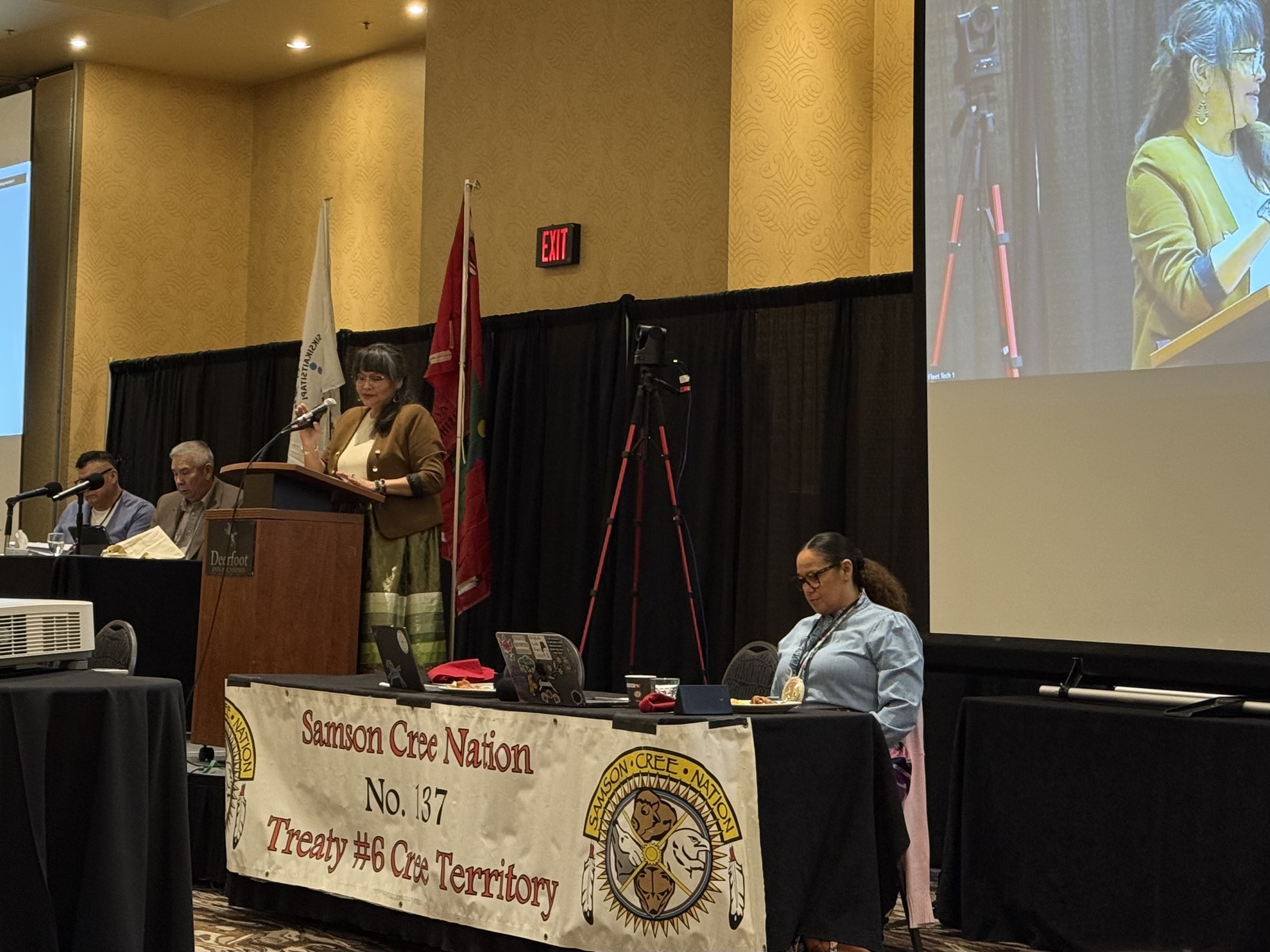
Mohkinstsis (Calgary, AB) — Blackfoot Confederacy Tribal Council Indigenous Early Learning and Child Care, in partnership with Samson Cree Nation Head Start, co hosted a two day Indigenous Early Learning and Child Care (IELCC) Treaty First Nations Information Exchange on February 09 and 10, 2026, at the Deerfoot Inn and Casino. The gathering brought together nearly 200 participants from Treaty 6, Treaty 8, the Blackfoot Confederacy, G4 Stoney Nakoda Tsuut’ina Tribal Council, Treaty 3, and Amskapi Piikani to receive information and engage in structured dialogue on Indigenous Early Learning and Child Care.
The Treaty First Nations Information Exchange was designed to support shared understanding as IELCC continues to evolve within Treaty First Nations. The gathering welcomed First Nations IELCC staff, leadership, early learning providers, Nation and Tribal administrators, coordinators, and policy and planning teams. Sessions focused on IELCC priorities, funding pathways, governance considerations, and community driven approaches, while affirming Treaty First Nations authority.
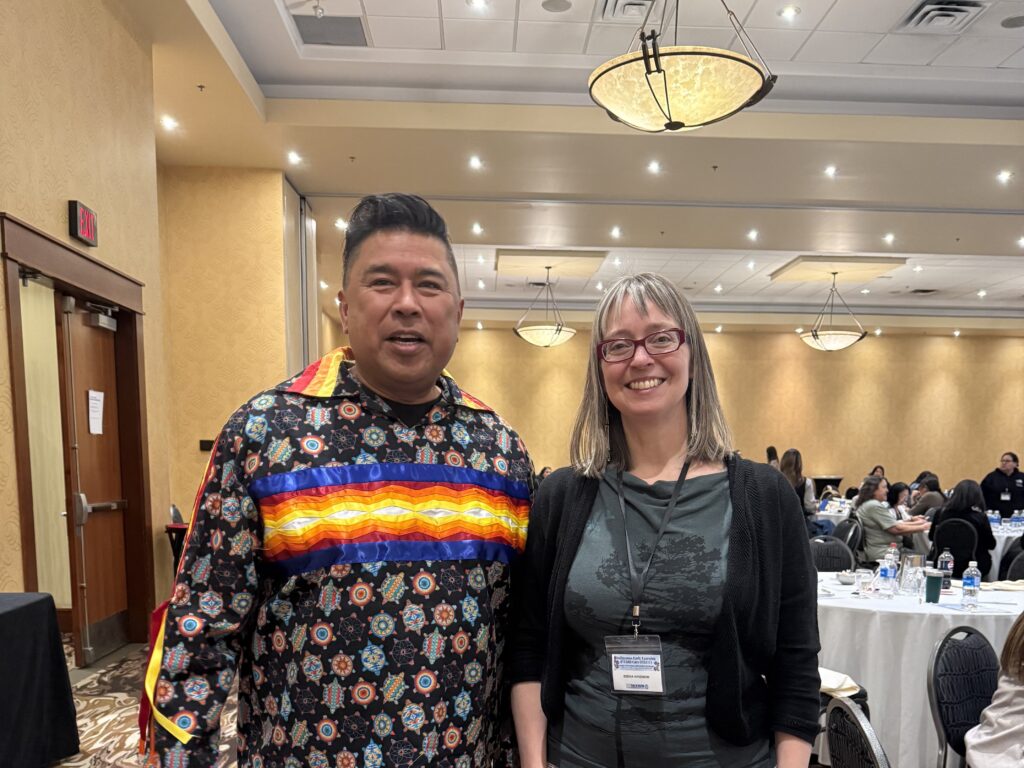
Chairmen Clayton Blood of Kainai-Blood Tribe and Randy Ermineskin of Ermineskin Cree Nation, joined hosts Dr. Genevieve Fox and Shirley Crop Eared Wolf of Blackfoot Confederacy Tribal Council, alongside Jaime D. Buffalo, Early Learning Program Manager for Samson Cree Nation Head Start, in supporting the agenda and guiding discussion. Jaime Buffalo helped lead the gathering and shared key IELCC information with participants, with registration nearing 200 within four weeks.
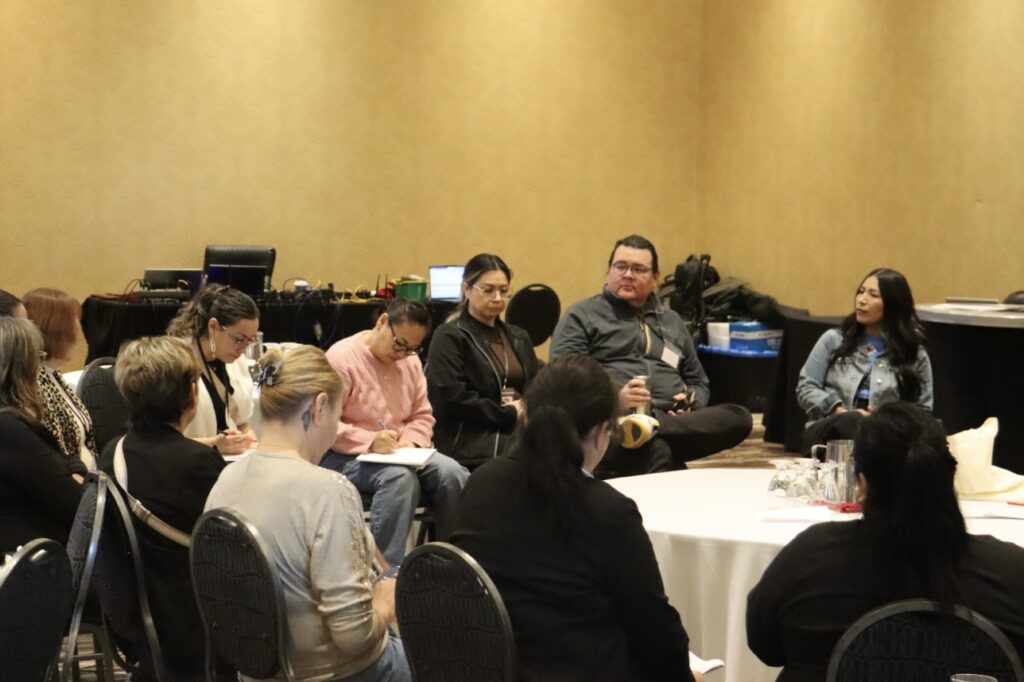
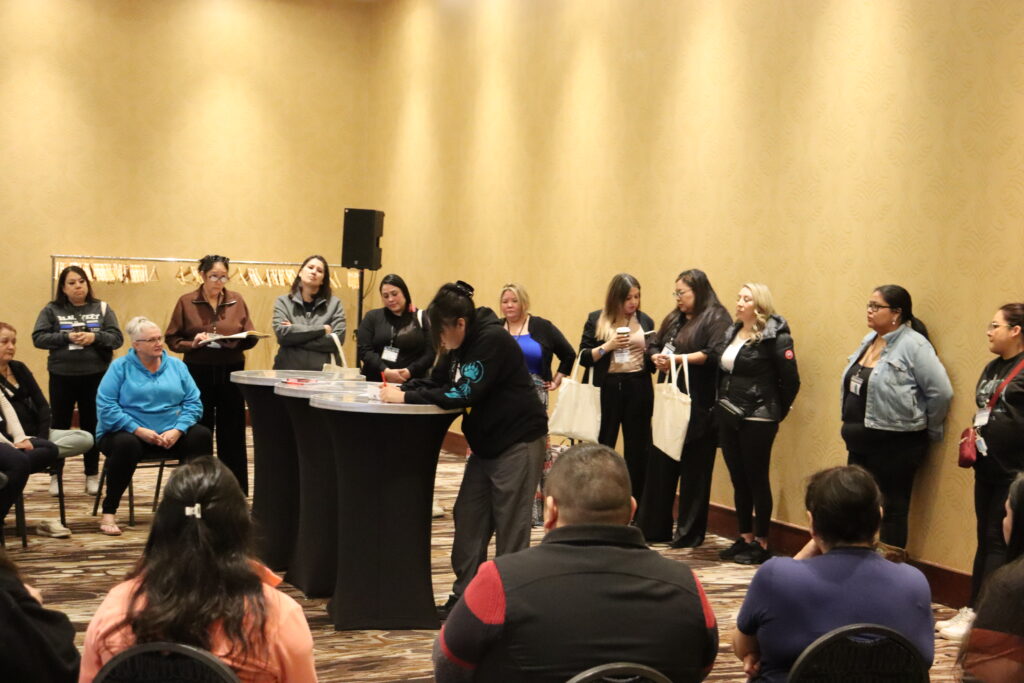
Participants spoke directly about operational realities faced by communities, including aging facilities, mould concerns, and overcrowded spaces. Group exercises identified priorities such as new buildings or renovations, sensory rooms, accessible playgrounds, transportation for children with special needs, and full immersion language programming.
Communication challenges were also discussed. Participants noted that information sharing was clearer during the early stages of IELCC implementation and has since slowed, creating gaps that Nations are seeking to address through improved coordination.
Progress and successes underway across Nations were shared, including staff certification, construction of sensory rooms, expansion of Head Start programs, development of new daycare buildings, daily integration of language and cultural teachings, transportation supports for families accessing specialized services, and the use of Jordan’s Principle to address funding gaps.
The exchange provided space for reflection on the broader context of IELCC work. Participants acknowledged lived experiences related to child apprehension, residential schools, and family separation, and emphasized that Early Learning and Child Care plays a protective role within communities.
Federal representatives from Employment and Social Development Canada and Indigenous Services Canada delivered overview presentations on the current IELCC landscape, program structures, and departmental roles. The exchange was information based only and did not involve decisions, funding approvals, or policy changes. Federal partners were reminded that Treaty First Nations retain full authority over their own IELCC programs, services, and governance.
Shirley Crop Eared Wolf, Director of Children’s Services and Indigenous Early Learning and Child Care for Blackfoot Confederacy Tribal Council, shared that the most powerful part of the gathering was seeing collaboration across Nations. While government partners delivered information, the heart of the engagement was leadership and technical teams coming together with a shared focus on children. Every Nation stood equally. No community was more important than another. She also highlighted the strong turnout from multiple Treaty areas and cross border relatives.
Leadership reflections reinforced key themes of the gathering. In opening remarks, Kainai-Blood Tribe Hereditary Chief Roy Fox emphasized the importance of clear understanding of governance and funding processes to support effective planning. Chief Samuel Crowfoot of Siksika Nation noted that early learning is foundational to long term Nation development. Chief Vernon Saddleback of Samson Cree Nation highlighted the role of Head Start programs in supporting families and children.
The Treaty First Nations Information Exchange confirmed the shared focus of Treaty First Nations on IELCC as a responsibility centered on children and community wellbeing. Each Nation will now review the information shared and determine its own next steps.
Blackfoot Confederacy Tribal Council and Samson Cree Nation Head Start acknowledge Chief Samuel Crowfoot of Siksika Nation, Chief Vernon Saddleback of Samson Cree Nation, Chief Troy Knowlton of Piikani Nation, Chief Travis Plaited Hair of Kainai Blood Tribe, and the many council members, Elders, Knowledge Holders, program staff, and community representatives who attended.
Special appreciation is shared with Jaime D. Buffalo, Samson Head Start, and Blackfoot Confederacy Tribal Council staff for organizing the Treaty First Nations Information Exchange, which strengthened relationships, supported shared learning, and brought Nations together in support of First Nations children and families.